The hardest part of building a data centre in Europe is no longer land, capital, or demand. It is power, and much of the grid the industry needs already exists.
Developers and operators building data centres across Europe have almost everything they need—capital and demand. The single binding constraint, however, is grid access, and the queue to get it now stretches seven to ten years against a typical two-year build cycle for the facility itself. In a world where Dublin imposed a moratorium on new data centre connections (in place until at least 2028, though exceptions have been granted and considered), Amsterdam introduced a similar pause before lifting it following sustained lobbying by the Dutch Data Centre Association, and Amazon Web Services warned that delays are “challenging our growth aspirations” across the continent, the only metric that matters isnow time-to-power.
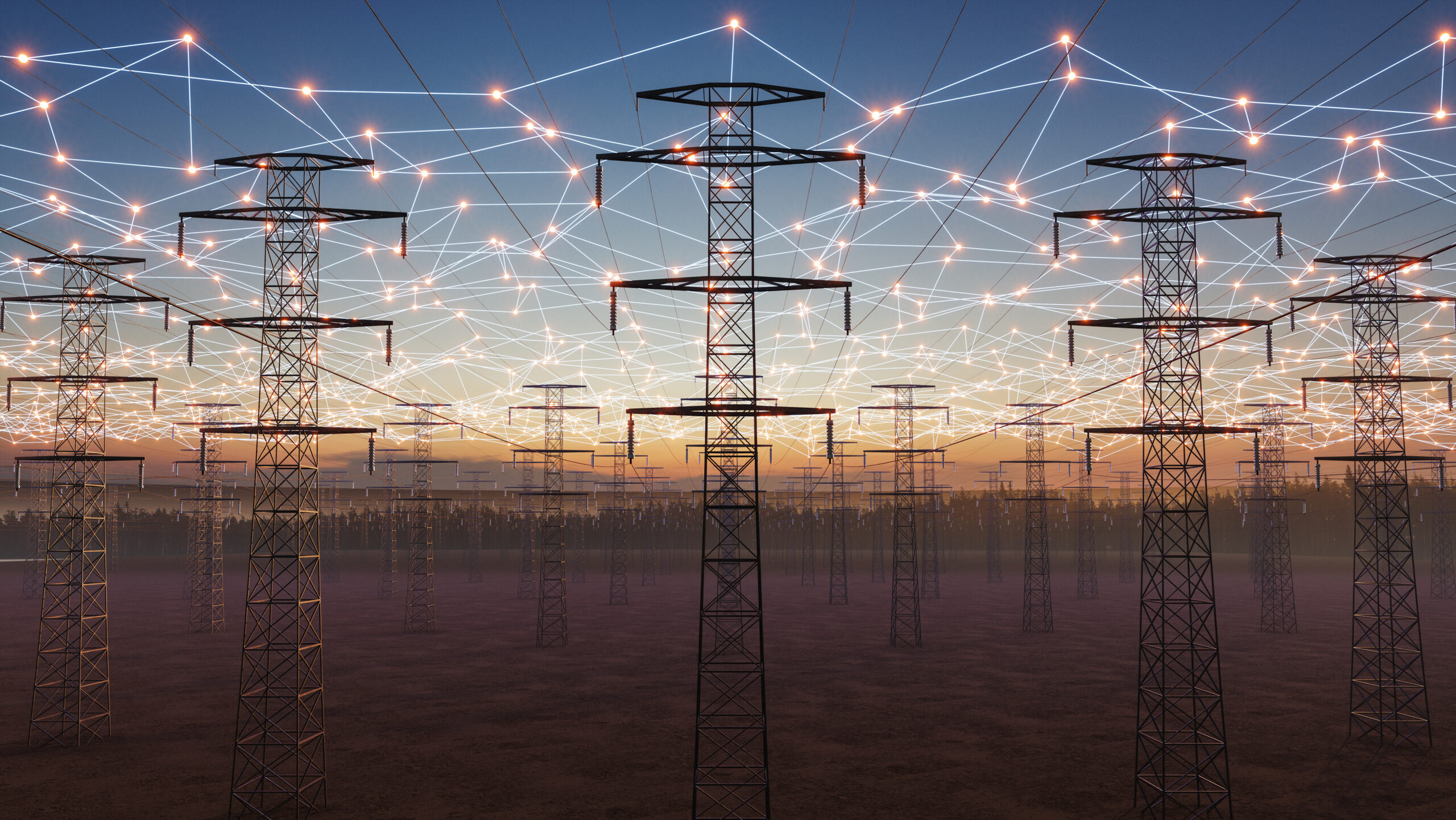
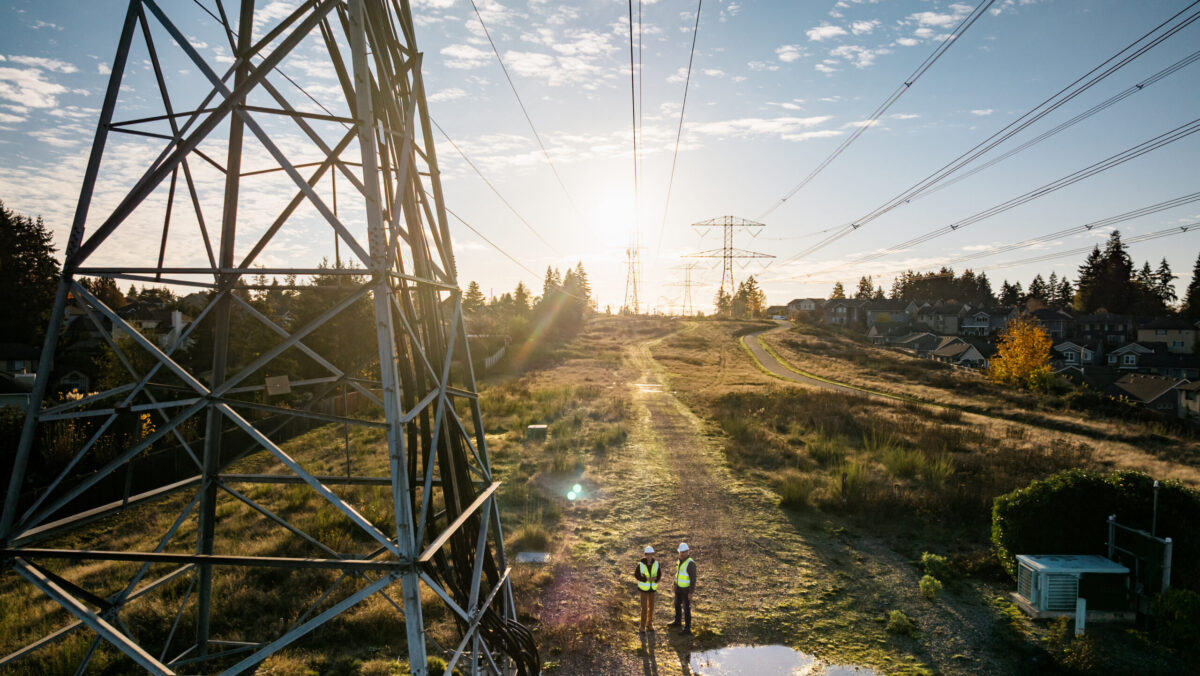
The industry’s instinct is to look forward—build new grid, reform permitting, generate behind the meter. Each is a real answer, and each takes years the market does not have while AI demand accelerates today. However, a faster route is hiding in plain sight. Across Europe’s post-industrial landscape sit large, powered sites (former manufacturing complexes, energy facilities, heavy industrial estates) already connected to high-voltage infrastructure with contracted capacity. Many anchored Europe’s industrial past and now lie under-used or dormant, but the connection remains, the substations remain, and in many cases hundreds of megawatts of accessible capacity remain— the single-most expensive and time-consuming element of any data centre development is already in the ground.
That is the opportunity we must look to: not competing for scarce capacity in overburdened hubs, but converting grid-connected industrial and port sites into data centre-ready developments. While it is harder than it sounds, data centre development platforms like PoweringAI are working to close the wide, technical, and commercially dense gap between a powered site and a data centre-ready site.
Industrial land tends to come with fragmented ownership, legacy environmental liabilities, outdated planning designations, and corporate owners whose core business lies elsewhere. Not to mention, a mothballed power connection rarely powers down cleanly: we establish what capacity is genuinely retained, confirm the connection rights still stand with the network operator, and map the pathway to reactivating that infrastructure rather than join the queue for new. From there the questions are physical and commercial at once. Decades of industrial use leave their mark, so the ground is surveyed and assessed—identifying contamination, redundant structures, and ground conditions that will need to be addressed before development can proceed. A sprawling legacy estate is rarely the right shape, so we identify and assemble the specific parcel within it where power, ground conditions, access, water and fibre actually line up, and shape it to what an operator requires: contiguous developable area, the right voltage and redundancy, room to expand. Around all of it sits the less visible work of untangling ownership, easements and wayleaves, and re-designating land whose planning status was set for a use that ended years ago.
The existing power connection then becomes the anchor for how a site is built out. Rather than wait for a full future connection before breaking ground, we phase the development around the capacity that is already live: a first phase energised from the retained connection, generating value years before a greenfield site would even receive a connection date, with later phases scaling as on-site infrastructure is upgraded and incremental capacity is secured. The existing connection de-risks the first phase and underwrites the rest, and the sequence can be matched to an operator’s own ramp and an owner’s appetite for capital.
PoweringAI does this as a specialist advisory and development partner to industrial landowners (often major corporates whose legacy estates hold real but untapped value outside their core business) carrying the technical and planning risk so the owner does not have to navigate it alone. Expertise across land, grid, planning, energy and construction sits on each site from day one. By taking on that complexity end to end, we compress development timelines by an estimated two to four years against conventional greenfield, and turn a dormant liability into an active, income-generating asset.
The land this unlocks is found right across Europe, inside the established FLAP-D hubs of Frankfurt, London, Amsterdam, Paris and Dublin, and throughout the wider industrial zones beyond them—powered, already industrialised, and woven into local economies. It reactivates estates that once anchored Europe’s industry and creates employment in the communities around them. In a market where the binding constraint is time to power, the advantage belongs to those who unlock the grid that already exists rather than wait a decade for the grid that does not. Europe’s industrial legacy, it turns out, holds the answer to its digital future, and many of the sites that will define the next decade of capacity are, for the most part, already built.
For more information, visit PoweringAI.
For further information, follow us on social media (LinkedIn I Twitter), or Contact Us to find out how we can help your leaders and organisation create people and planet-positive impact.