The architecture for carbon markets, nature finance and circularity is falling into place. At COP31, the question was who will turn it into capital, demand and delivery.
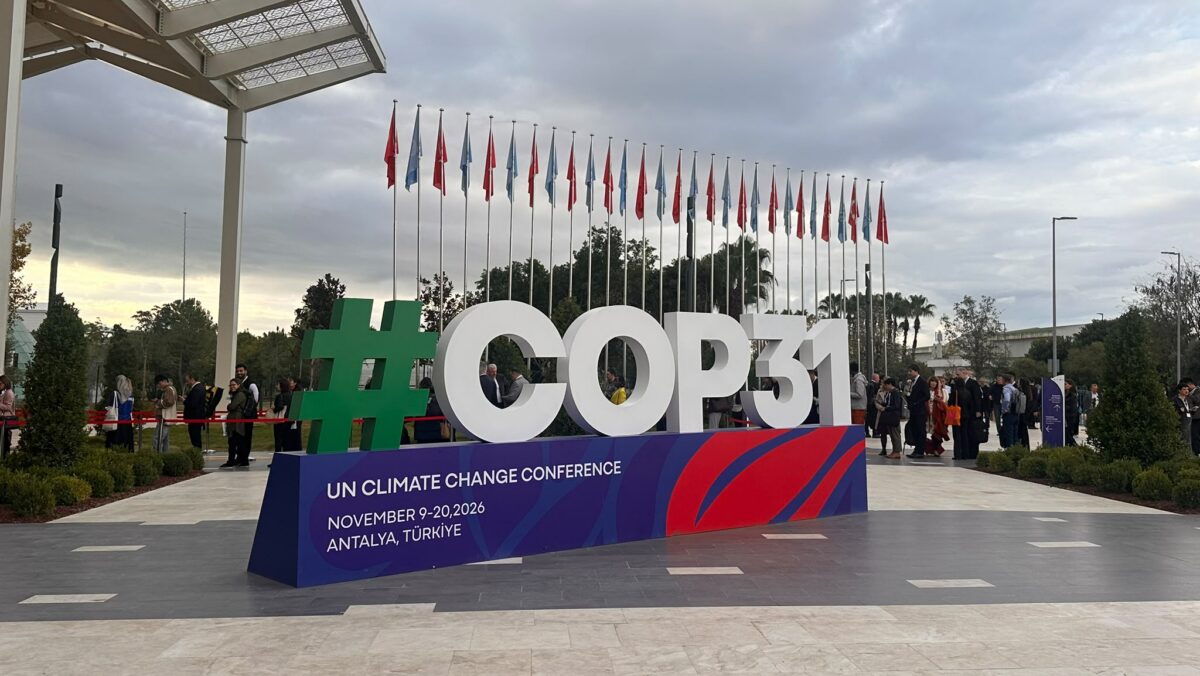
Across five days of discussions on carbon markets, nature finance and circularity at COP31 in Türkiye, the one question in focus was: how do we move from developing frameworks and setting ambitions to mobilising finance, creating demand and implementing solutions at scale?
After all, the standards are maturing, the methodologies are improving, and the coalitions are forming, but frameworks are not financing, and guidance is not demand.
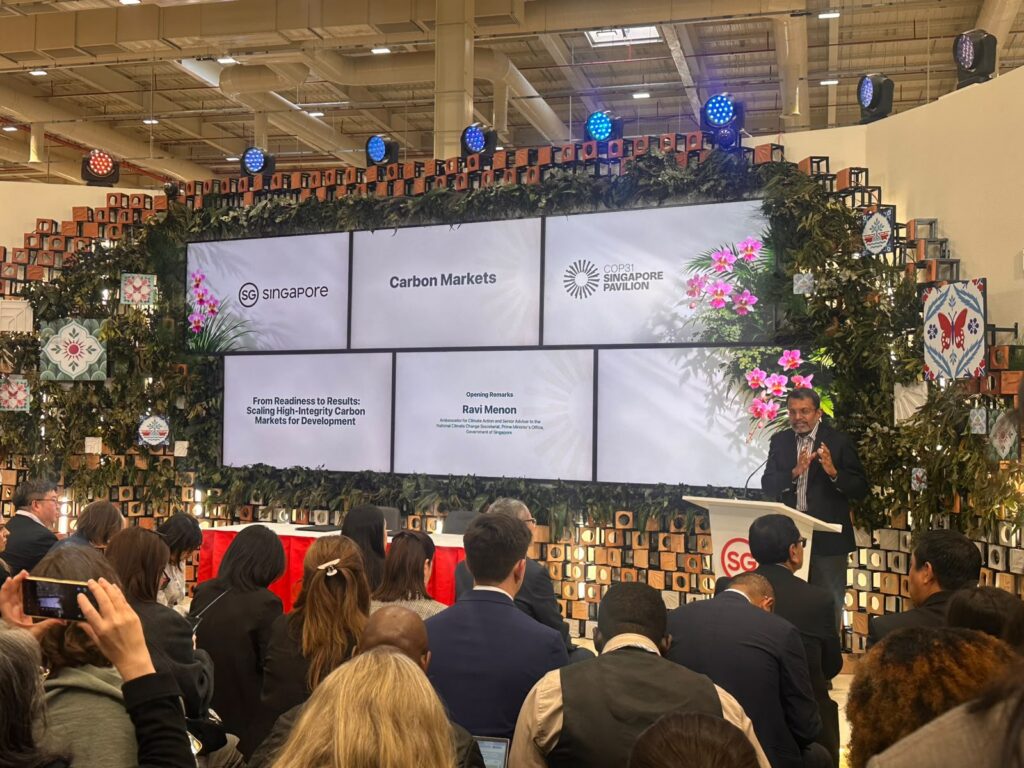
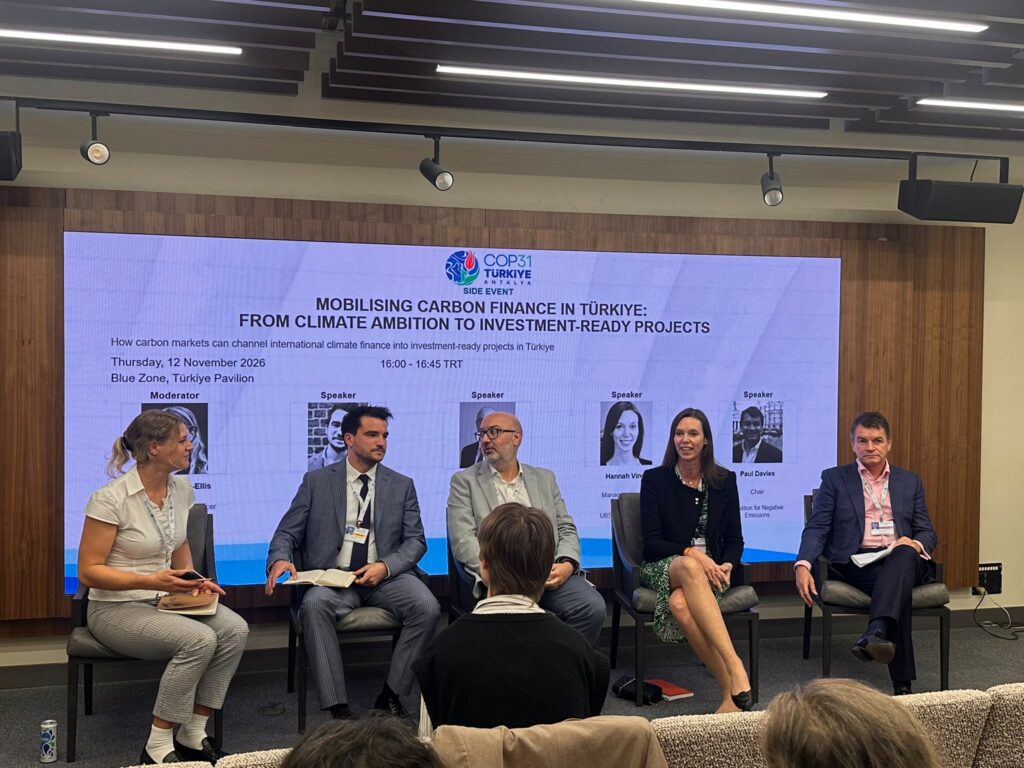
Carbon markets need buyers
The Coalition to Grow Carbon Markets, evolving guidance from SBTi and the GHG Protocol, and growing convergence between Article 6 and voluntary carbon markets are giving buyers greater clarity. Meanwhile, the expansion of Emissions Trading Systems around the world, alongside mechanisms such as the EU’s Carbon Border Adjustment Mechanism, is putting a price on emissions and changing the economics of the transition.
However, the hardest step now seems to be turning these signals into demand for high-integrity credits. A voluntary market has struggled to offer the long-term certainty that project investment needs. So we must ruminate on this central question: as signals emerge on the role of carbon credits from 2035, will companies start buying today, or wait until they are required to?
High integrity also does not have to mean the most expensive credit on the market. As one speaker representing a leading bank in this space put it, not everyone needs a Formula 1 car. The task for buyers is to set the right quality threshold for their objectives, without compromising on credibility. Those who do will help unlock finance for projects on the ground.
In nature finance, carbon is only part of the story
“Conservation without money is conversation”. The line came from the launch of the Nature Integrity Methodology for Biodiversity, developed by Cercarbono, which aims to unlock nature finance through developing a standardised, science based way to measure ecosystem condition and change over time.
Carbon markets play an important role in financing nature, but biodiversity is fundamental to how natural systems function, and its value extends well beyond carbon. The task now is to develop the science, methodologies and financial mechanisms that recognise that wider value and make it investable. Questions remain on how to account for outcomes such as soil health and biodiversity, particularly as Article 6 and voluntary markets converge around nature-based solutions.
Circular solutions must work for the communities that run them
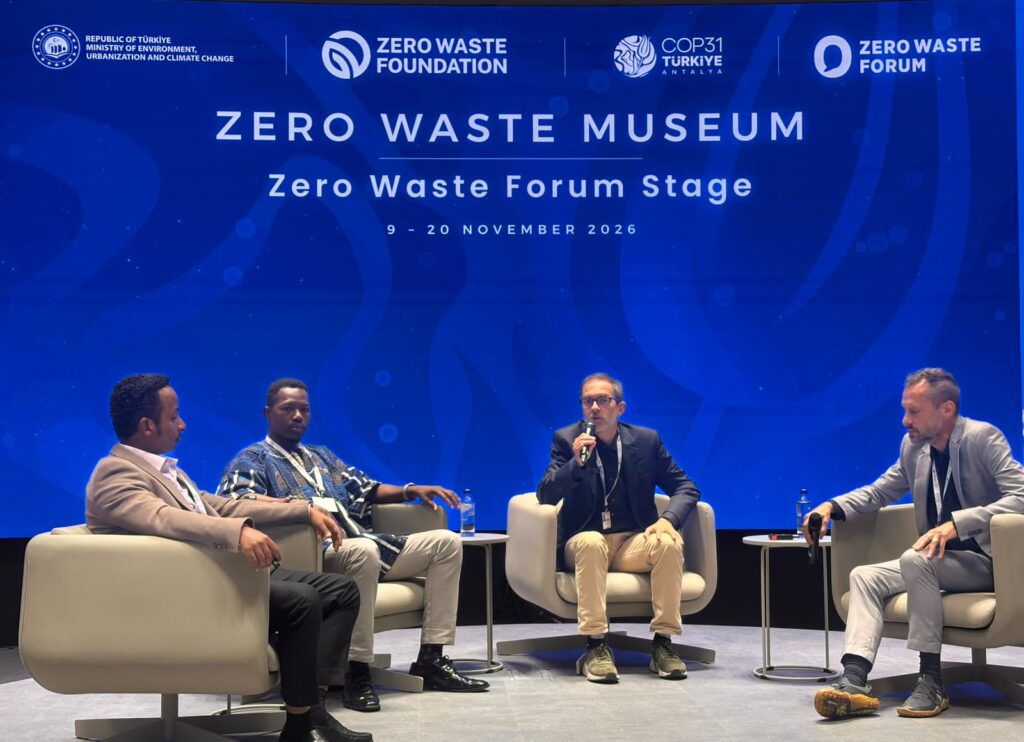
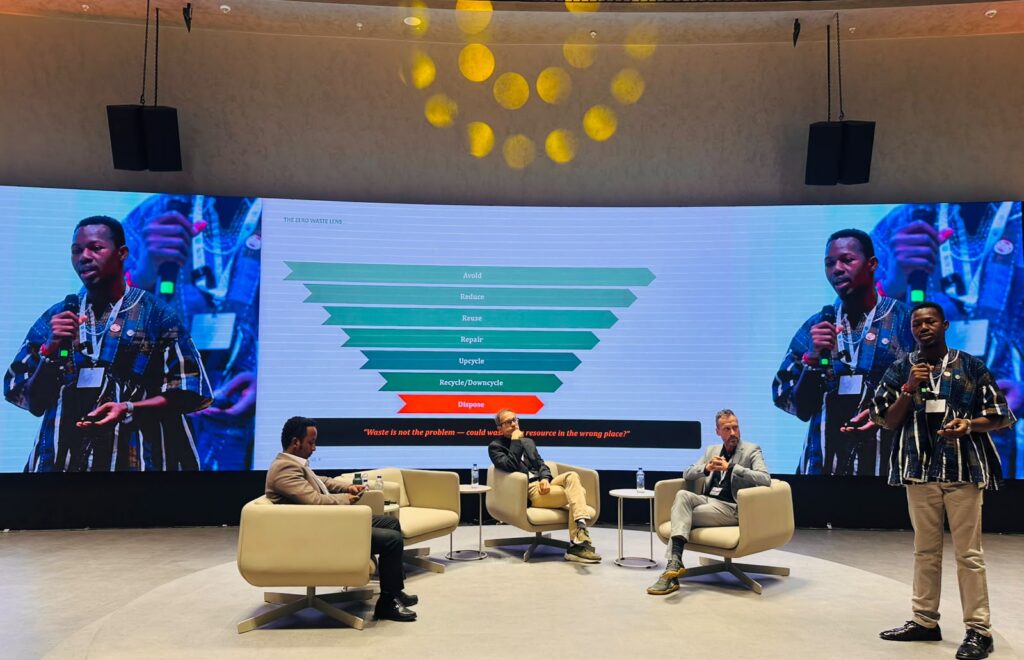
Deposit Return Systems (DRS) showed how policy and financial incentives can change behaviour. And experience from Poland and Seychelles demonstrates that putting a value on packaging encourages collection and recovery.
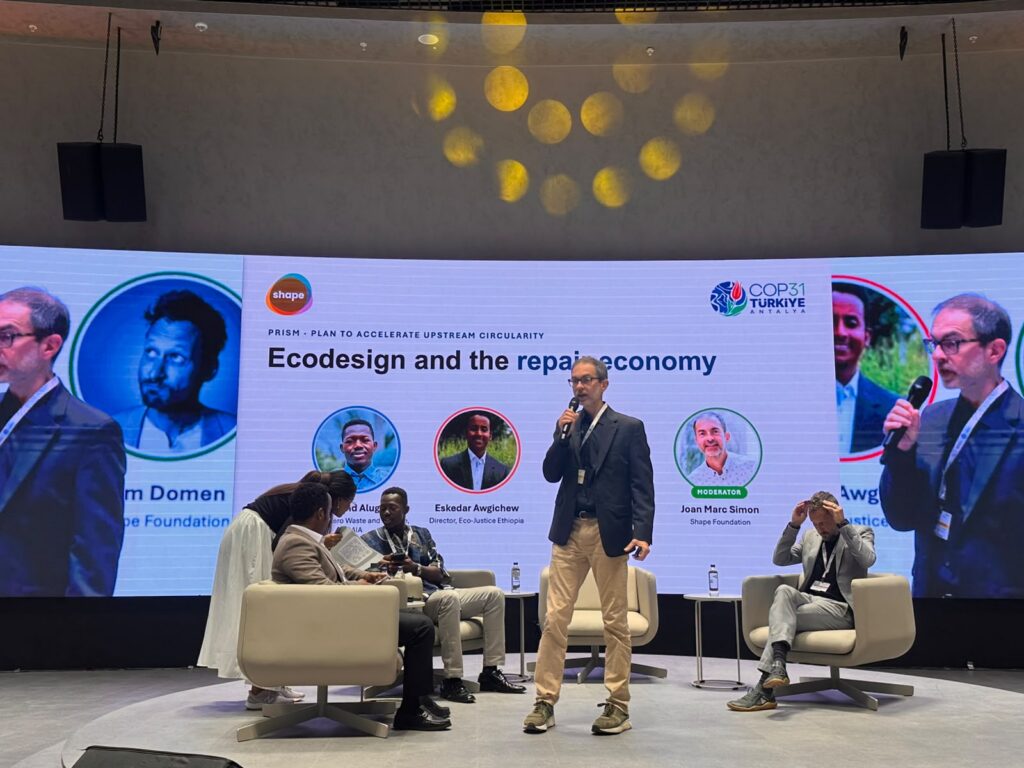
But can a model that works in one country simply be lifted into another? A session led by GAIA and the Shape Foundation on the Philippines suggested not. With more than 7,000 islands and an established informal waste sector, importing a DRS blueprint could have unintended consequences, not least for waste pickers whose livelihoods depend on collection—their participation in designing the system is essential.
The Philippines’ stakeholder process brought together local government, business, investors, civil society and waste workers, and produced a framework with local communities that creates the conditions to explore a pilot. The lesson reaches well beyond waste. DRS is a tool, not a universal solution, and its success depends on how it is designed, who is at the table and whether it supports longer-term ambitions around reuse and prevention. Solutions designed with communities will outlast those simply replicated from elsewhere.
Upstream circularity to prevent waste and corporate leadership to back what’s next
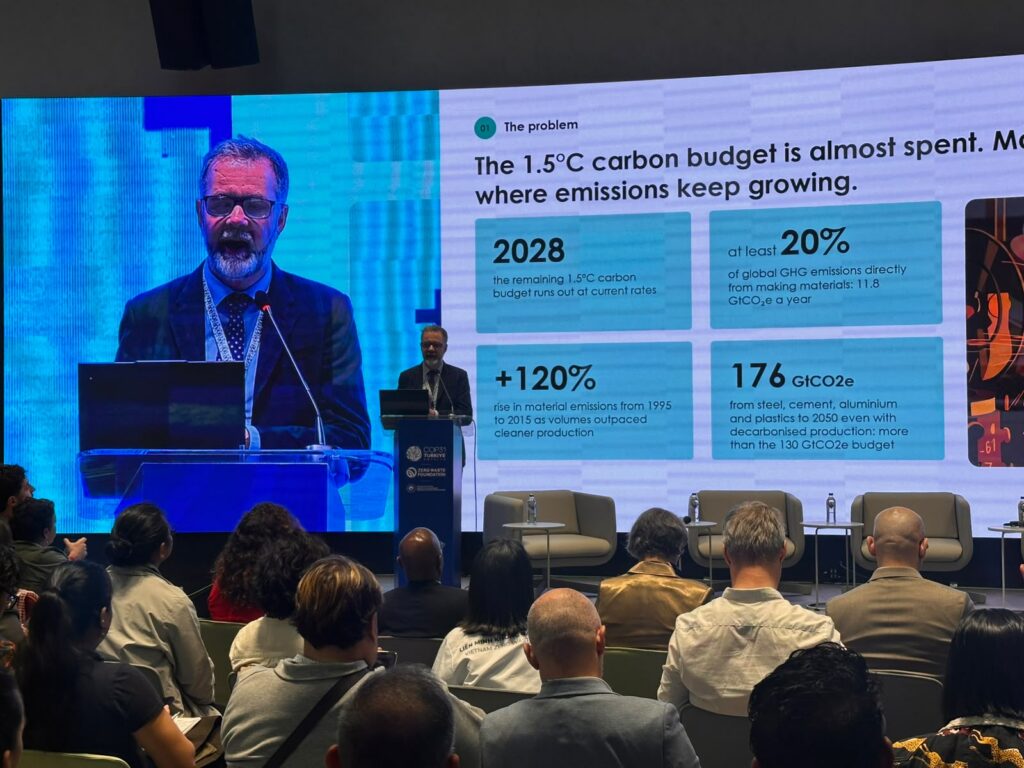
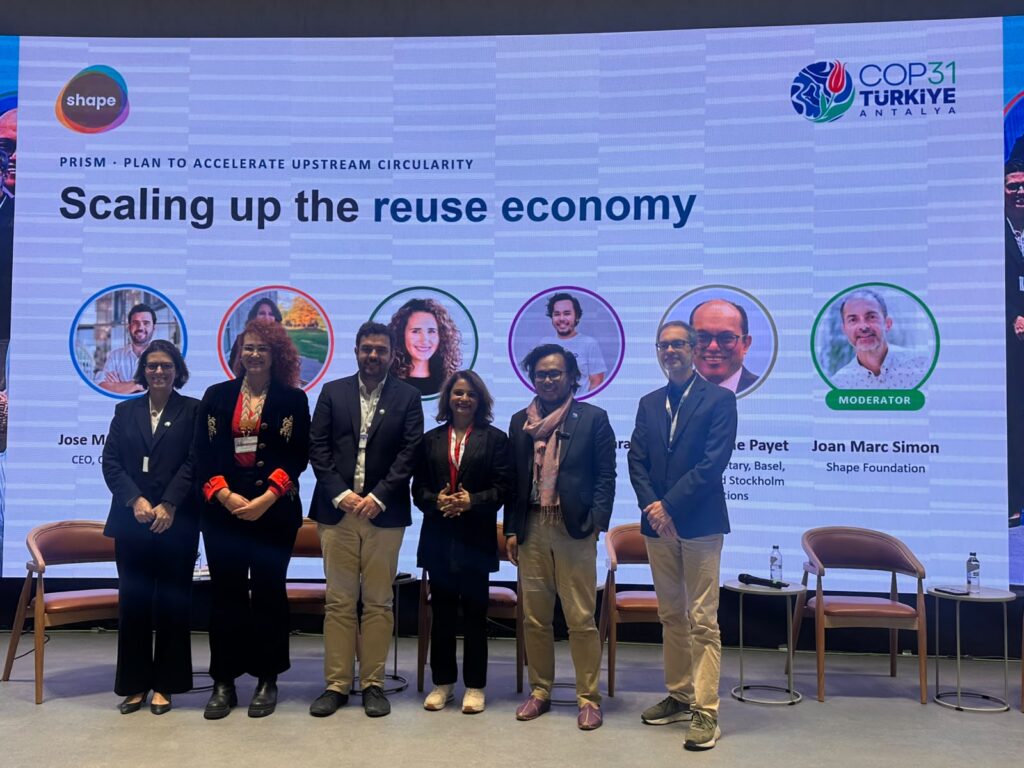
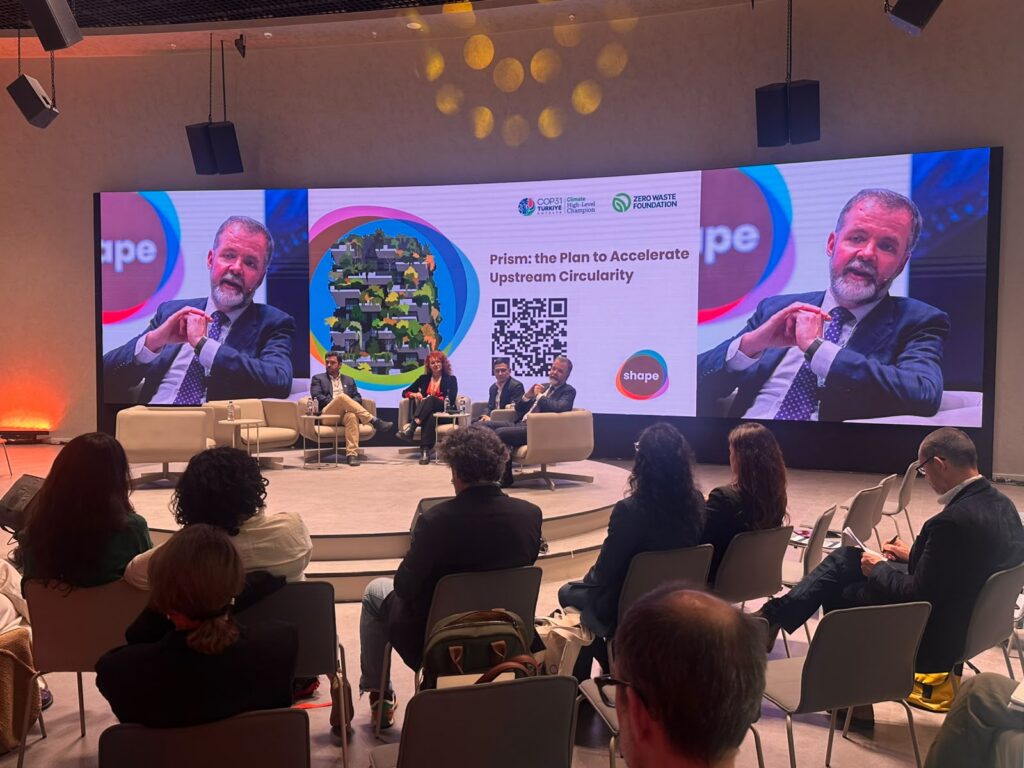
COP31 also saw the official launch of PRISM, an initiative led by Shape Foundation, which Xynteo supported in the lead-up to COP and during the launch. PRISM brings together governments, businesses and civil society to accelerate upstream circularity, shifting the focus from managing waste to preventing it. Its agenda spans reduction, reuse, repair and redesign, with the methodologies, evidence and partnerships needed to implement them at scale.
The launch included the presentation of the Our Zero Waste Future report, which sets out the climate potential of upstream circularity and a pathway toward a circular economy by 2050. COP31 in Türkiye may have marked a stepping stone for the circularity agenda, highlighting its impact on our climate ambitions.
The next test is delivery
Across carbon markets, nature finance and circularity, we are making some progress on standards, methodologies and frameworks. To be sure, these are only part of the equation. The next challenge is creating the incentives, financing mechanisms, partnerships and market demand that turn them into action.
Regulation can change the economics of the transition, corporate commitments can provide the demand certainty that mobilises investment, and implementation works only when solutions reflect local realities and include the communities affected.
While negotiations haven’t reached a consensus, outside the main room, interesting discussions were taking shape around COP31. We’ve seen some encouraging discussions and talented people all around, but there is plenty of work still ahead.