This Partner Perspectives article explores why climate resilience must shift from being a reactive response to extreme weather to a core business and growth strategy for India, and why the real estate sector in India must lead the charge.
Seventy per cent of the infrastructure India needs by 2047 is yet to be built. This is not just a statistic; it is one of the most significant opportunities any nation has ever had to embed climate resilience into its economic foundation from the ground up.
This transformation captures something fundamental about India’s built environment journey. We have moved from reacting to risks to designing for resilience.
The new reality of risk
Climate resilience has moved way beyond being just an ESG checkbox. It has become a competitive advantage that directly impacts project valuations, insurance premiums, tenant retention and long-term asset yields. The mindset has fundamentally shifted and rightfully so.
India’s real estate sector operates amid accelerating environmental risks that vary dramatically by region. In September 2025, Gurugram’s business district flooded after heavy rains. Office towers that house global corporations sat surrounded by water, employees unable to reach work, elevators shut down and basement parking lots turned into swimming pools. It wasn’t an exceptional weather event. It’s the new normal we’re building into.
Scale of transformation
According to JLL research, Grade-A office absorption in 2025 grew 22% year-on-year, with green-certified buildings driving over 60% of demand. India ranks second globally in certified green real estate with 1.4 billion square feet and growing at over 20% annually, representing a $39 billion market by 2025.
What’s interesting is that Tier II and Tier III cities are driving equitable growth as investment expands beyond metros. With this decentralisation, it’s becoming imperative to ensure climate resilience becomes a nationwide standard.
In addition, digital transformation is reshaping our infrastructure needs in unprecedented ways. AI is projected to add $957 billion to India’s economy.
Smart buildings consume 33% of India’s total electricity, yet digital twin technologies are reducing energy use by 15-20%. We’re simultaneously becoming more energy-intensive and more energy-efficient.
This is our reality: India’s real estate sector isn’t just a participant in the climate conversation. It needs to be leading it. It’s probably the only sector positioned to move fast enough and at the scale required.
From reaction to resilience
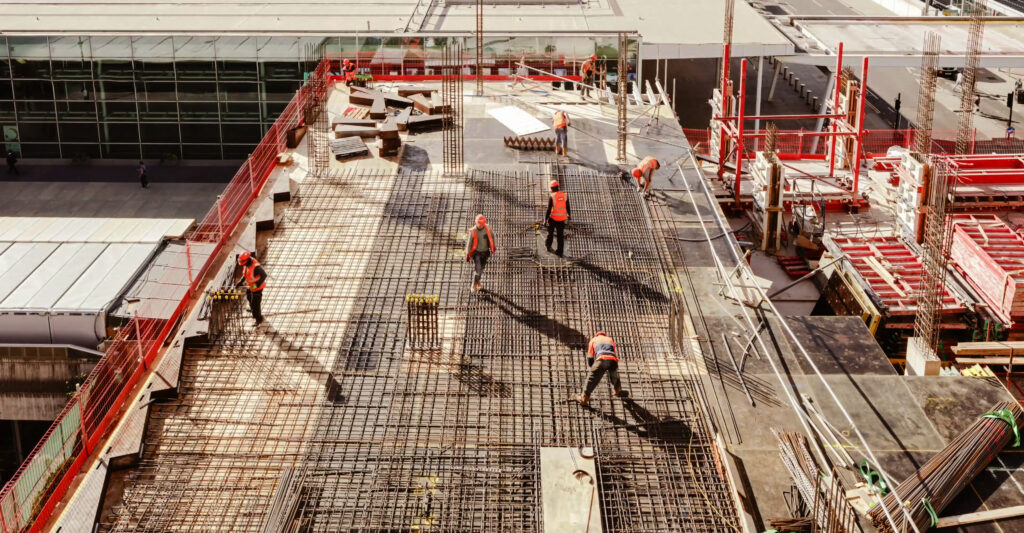
Consider Mumbai’s experience: When torrential rains brought the city to its knees in July 2005, we saw real estate worth INR 5,000 crore submerge within hours. Today, nearly two decades later, those same flood-prone areas stand as testaments to adaptive urban planning, complete with elevated roads, improved stormwater management and climate-resilient buildings.
The moral of the story: infrastructure we’re building today will determine our capacity to handle tomorrow’s challenges. It’s time to not only build better but build smarter.
The business case for resilience is becoming undeniable. Organisations without climate mitigation strategies face disruption, damages, higher maintenance and insurance costs, coupled with lower revenues.
Projects that integrate climate considerations from day one, like proper drainage systems, heat-resistant materials, energy-efficient cooling, green spaces that manage stormwater, command premium pricing. Tenants and buyers increasingly understand that climate resilience equals operational reliability.
The technology exists. We have permeable concrete to handle heavy rainfall, building materials designed for extreme heat and smart glass to reduce cooling loads. Buildings today also have integrated renewable energy systems. IoT-enabled, 5G-ready buildings are turning every sensor and data point into a ‘carbon lever’. Smarter design is already reducing energy consumption, proving that innovation and sustainability can scale together. The innovation isn’t the bottleneck; it’s the willingness to deploy it as standard practice rather than premium features.
But resilience isn’t just about technology. It’s about integration. Mixed-use developments that combine residential, commercial, and retail spaces create inherent redundancy. Green-rated buildings with adaptive infrastructure weather storms and continue operating through them.
The regulatory environment is also moving in this direction. Building codes are evolving. Environmental clearances are getting stricter. Carbon pricing mechanisms are coming. Developers who adapt to these changes will have competitive advantages.
Building the blueprint
India is standing on the edge of great untapped potential. The next decade will determine whether we become the model the world follows or the opportunity it remembers we missed.
Climate resilience in our built environment isn’t just about surviving the next extreme weather event. It’s about creating spaces that absorb shocks, adapt quickly and remain sustainable long-term. It’s about ensuring that the 70% of infrastructure we’re about to build doesn’t just house India’s growth, it enables it.
The blueprint isn’t complicated but about building climate intelligence into every decision from site selection and material choices to long-term maintenance planning. The sector that leads this transformation won’t just survive the climate challenge. It will define India’s urban future.
This article was written by Jipu Jose James, MD and Head of Project & Development Services (PDS), India at JLL Mumbai, as part of our Partner Perspectives series. JLL is a member of the Build Ahead coalition and plays a key role in advancing climate resilience across India’s real estate and infrastructure ecosystem through industry leadership and on-ground action.
For further information, follow us on social media (LinkedIn I Twitter), or Contact Us to find out how we can help your leaders and organisation create people and planet-positive impact.