The Energy Leap Great Hydrogen Challenge (GHC), a rolling national initiative to identify, fund, and de-risk breakthrough technologies, aims to strengthen India’s hydrogen ecosystem by supporting such technologies.
India is entering a pivotal decade for clean hydrogen adoption. Amid rising carbon prices and accelerating industrial decarbonisation, clean hydrogen is gaining strategic importance as a lower-carbon, cost-resilient alternative to fossil-based feedstocks and fuels.
GHC invites innovators developing materials, components, and processes vital to large-scale hydrogen deployment. More importantly, Energy Leap invites actors to de-risk their tech commercialisation journey, including strategic investors, venture investors, and research labs, to partner on this challenge.
Apply to the Great Hydrogen ChallengeWhy now?
Carbon pricing now covers 28% of global emissions, driving compliance costs across heavy industry and accelerating demand for low-carbon alternatives. Hydrogen is entering rapid growth, yet clean production remains under 1%. The next 5–7 years will determine which technologies and players define the emerging clean-hydrogen economy.
India’s hydrogen opportunity
80+
clean hydrogen start-ups
100+
MSMEs building components and subsystems
Growing market
driven by industrial demand, exports, and climate goals
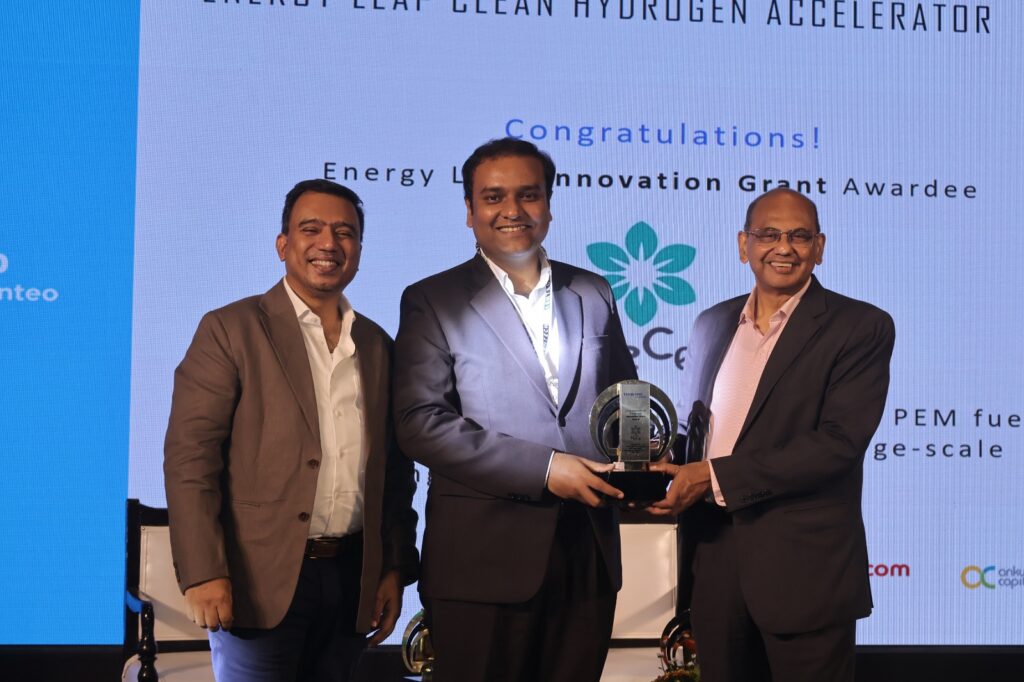
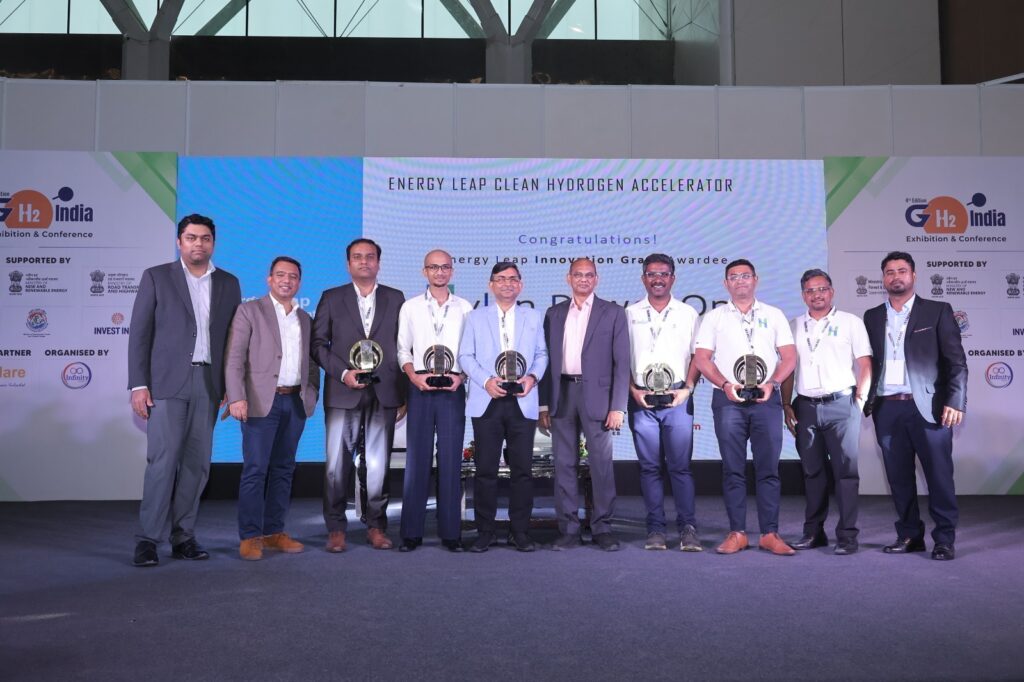
About the challenge
The Great Hydrogen Challenge (GHC) is a rolling national initiative that identifies, funds, and accelerates breakthrough clean hydrogen technologies ready for validation and scale-up.
Who can apply
Start-ups, and university/R&D innovations preparing to spin out
Focus TRLs
4–7
Funding
Up to ₹0.5 crore (non-dilutive) + milestone-based rewards from partners
Support
18–24 months of technical guidance, pilot facilitation, and market access
Focus tech areas
The challenge focuses on material, component, and process innovations in the following areas:
- Upstream: Solar cells, battery cells, electrolyser cells, electrodes, membranes (for purifiers, electrolysers), catalysts
- Midstream: Hydrogen storage materials, catalysts for PtX (green ammonia, green methanol, e-SAF) synthesis/cracking
- Downstream and Safety: H2 (nozzles, heat exchangers), industrial H2 burners, safety sensors (digital, bio-solutions, textiles, etc.), diagnostics systems/predictive maintenance
What we offer
- Up to ₹0.5 crore non-dilutive funding, milestone-based support from partners
- 18 months of curated assistance through rolling cohorts
- Pilot opportunities with leading corporates and public-sector partners
- Access to technical mentors, market insights, and investor networks
- National visibility through the Energy Leap platform
How it works
- Phase 1 (0–3 months): Scouting, shortlisting, and due diligence
- Phase 2 (3–12 months): Shortlisting and support – derisking and validation
- Phase 3 (12–18 months): Scale-up via industrial partnerships and investor connects
Why partner with us
- Access curated clean hydrogen and renewable energy innovation pipelines
- Receive innovation assessments and market insights
- Leverage catalytic capital to de-risk early-stage investment