Earth Overshoot Day 2026 – Investing in the power of possibility

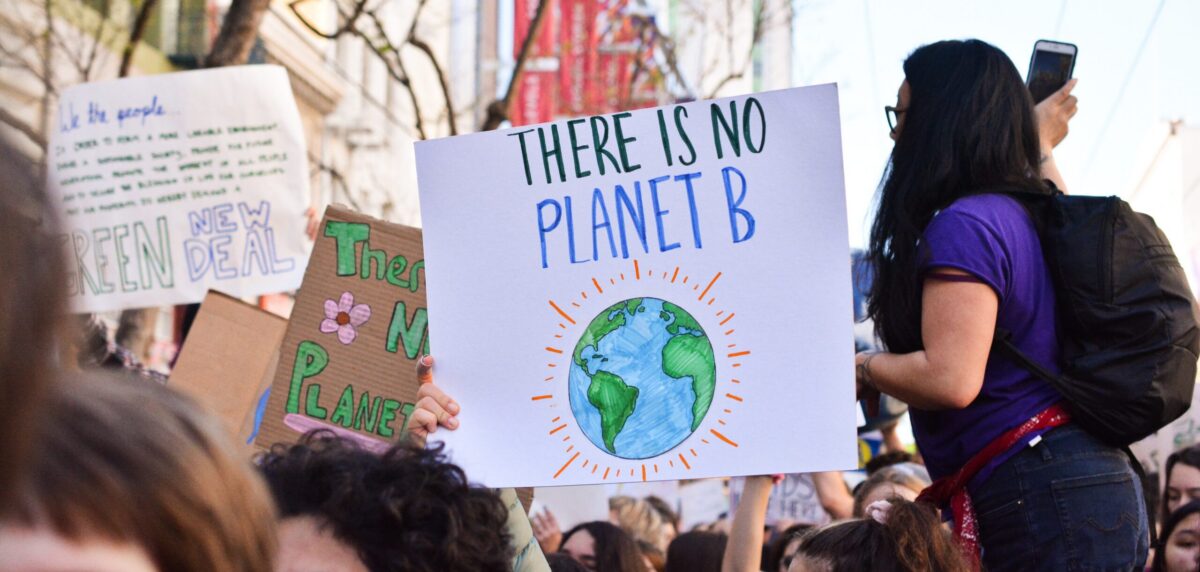
The calendar date of 30 July 2026 is Earth Overshoot Day, when humanity’s demand on nature exceeds Earth’s biocapacity—a stark reminder that humanity, yet again, has exhausted nature’s annual bounty and begun to accrue an ecological debt. This day, however, is still earlier in the year than when we made this video two years ago. While still nowhere near where we need to be, this year’s date was later than last—is this a signal of change?

India’s Green Hydrogen Test: Scale or Stall

India is becoming supply-ready, yet the market is still demand-constrained. The next phase will be won not by who announces the biggest project, but by who can convert ambition into bankable, executed deployments.

Interplay of Green Hydrogen Technology Innovation & Predictable Carbon-Cost Signals

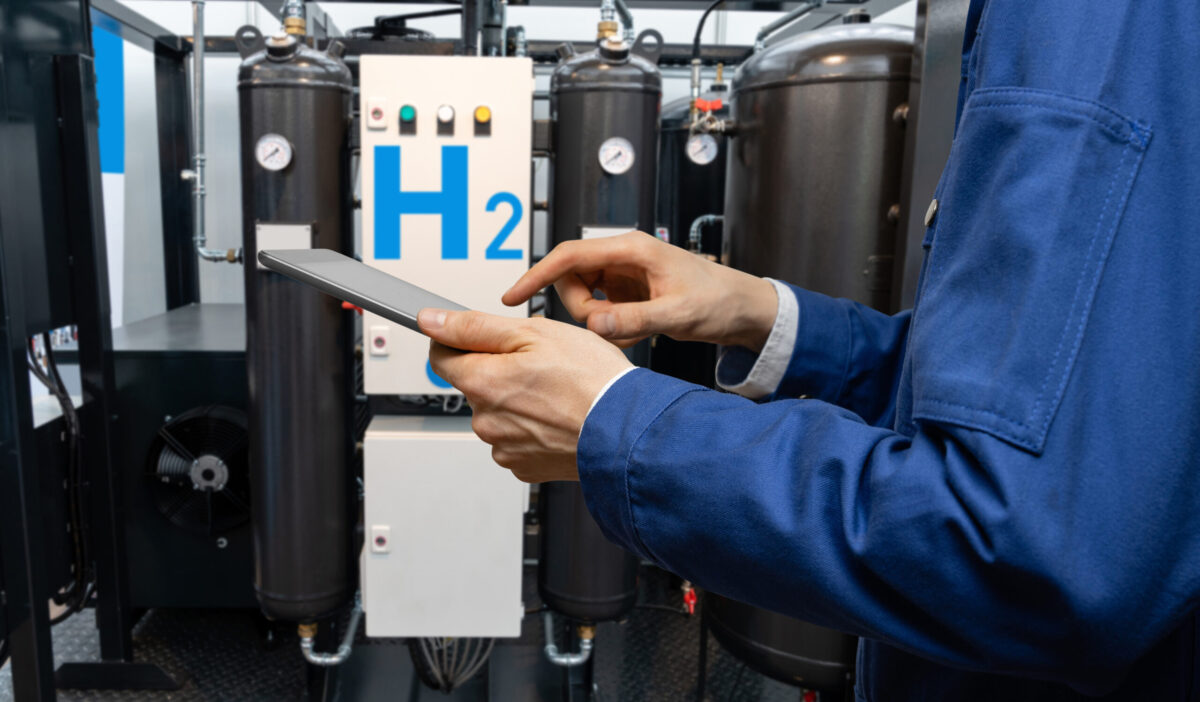
Engineer inside hydrogen factory

India’s growing interest in low-carbon hydrogen reflects a broader global trend: several industrial sectors are beginning to explore transition pathways where molecular fuels may play a long-term role. Electrolyser (technology required for producing hydrogen from renewable electricity) manufacturing capacity is expanding, and early pilots are emerging across green ammonia, mobility, and steel. As attention shifts from technical feasibility to commercial viability, a key strategic question emerges: what actually drives green hydrogen from early projects into large-scale market adoption?

Ten years on, the Paris Agreement is just getting started

Ten years after the Paris Agreement, we’re no longer debating if the global economy will decarbonise. The question is how fast, who leads, and who gets left behind. A decade is a blink in human history, but it’s been long enough to expose both the power and the limits of voluntary pledges, fragmented carbon markets, and uneven national ambition.

Enabling India’s SAF Roadmap for Aviation Decarbonization via Hydrogen

India’s aviation sector has grown rapidly over the past decade, with domestic passenger numbers increasing from around 50 million in 2010 to approximately 230 million in 2024. India will require a rapid scale-up in SAF production, but the availability of sustainable feedstocks remains a critical bottleneck.