Leaders’ Lens: Sam Preece

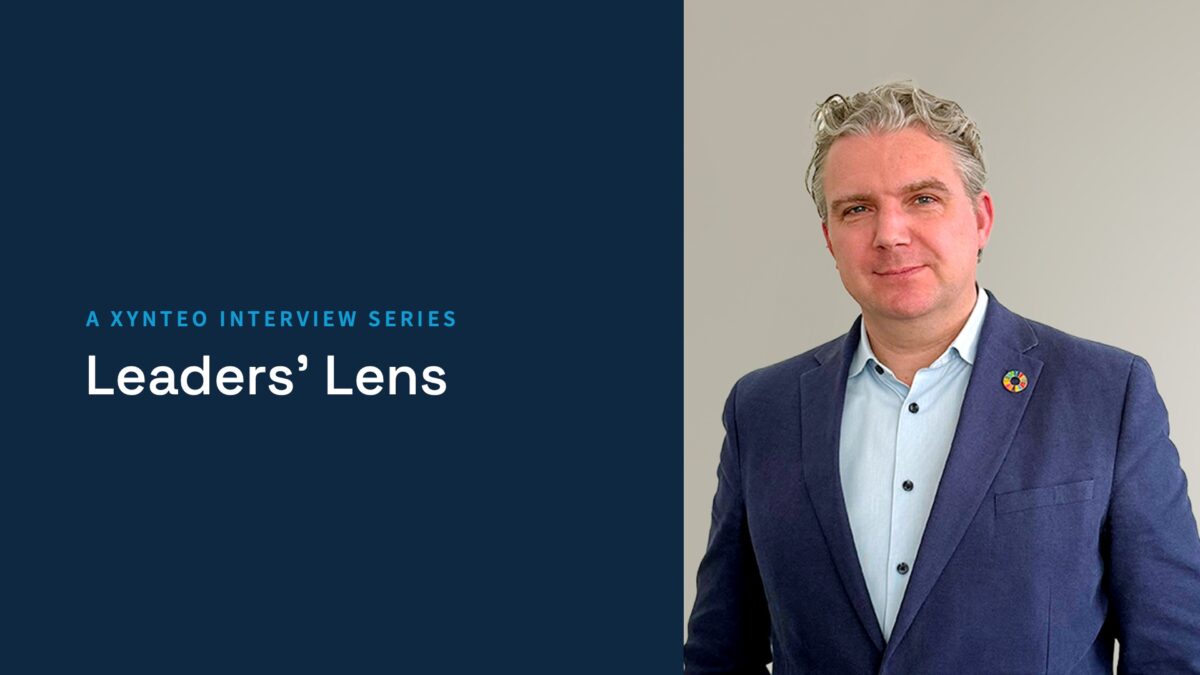
Meet Sam Preece, Xynteo’s newest Partner, a sustainability veteran with an impressive 25-year career that’s seen him navigate the complex worlds of investment funds, global consultancies like PwC, and leadership roles at major firms such as AECOM.

Xynteo advises Equidria on majority acquisition of Plug-N-Go Limited

Press release: 3 September 2025, London, United Kingdom Xynteo is delighted to announce its role as exclusive advisor to Equidria on the successful acquisition of a majority stake in Plug-N-Go Limited (PnG), an international charge point operator serving the UK, Guernsey and Gibraltar. This transaction comes at a pivotal moment for the EV charging sector, which is experiencing rapid consolidation …

Future of mobility: Beyond the blueprint, overcoming barriers to boost usage

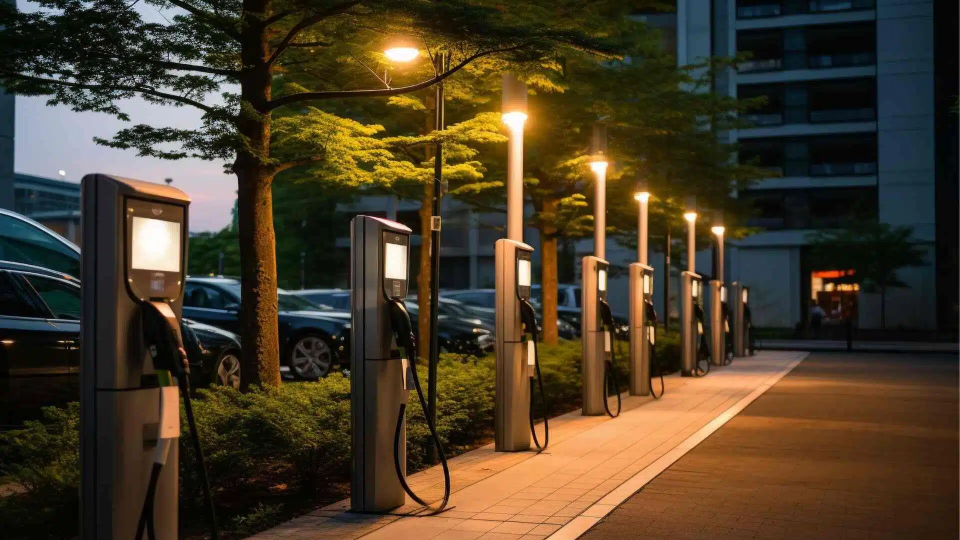
As EV adoption surges, the true test of clean mobility is no longer vision—it’s usability. Are chargers installed on time? Do they work reliably? Can drivers pay easily, see real‑time availability, and trust support when something fails? Without a seamless installation and usage experience, networks risk low utilisation, higher costs, and stalled deployment.

Unlocking a greener future through sustainable mining

Mining remains one of India’s most critical sectors—powering energy security, supplying essential raw materials, and generating over 10 million jobs annually, particularly in remote and tribal regions. Yet, at just 1.5% of GDP, India’s mining sector delivers far less value than other mineral-rich geographies like Australia and Canada.

Xynteo welcomes GoodCorporation as a new sister portfolio company under Leon Capital

Press release: 27 August 2025, London, United Kingdom Xynteo is thrilled to welcome GoodCorporation to the Leon Capital portfolio of companies—joining Xynteo as a sister company committed to advancing responsible and sustainable business practices. GoodCorporation, founded in 2000 by Leo Martin and Michael Littlechild, is a leading specialist in business ethics and corporate sustainability. With over two decades of experience …

India’s green hydrogen ambitions: Where do we stand?

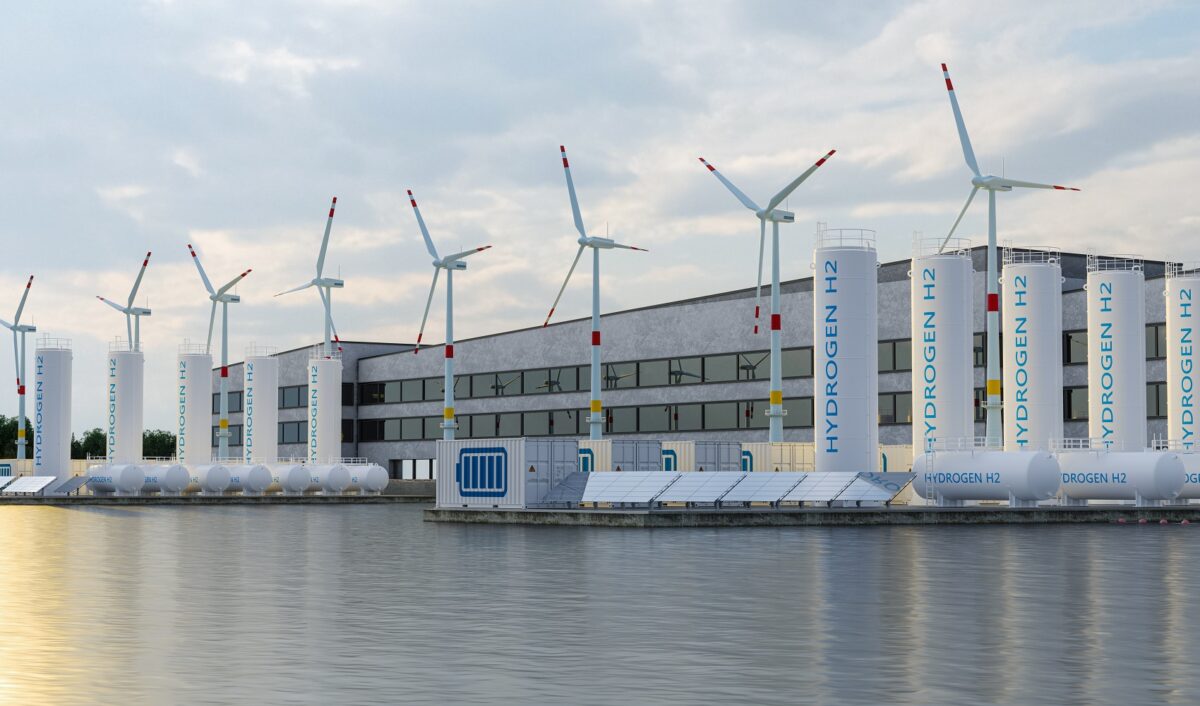
The Indian government’s National Green Hydrogen Mission, launched in early 2023, set an ambitious target of 5 million tonnes (MT) of green hydrogen production in India by 2030. However, over two years down the line, significant challenges persist despite plentiful project announcements and private sector financial commitments, leading to slow execution and raising concerns about meeting this goal.

Green hydrogen in India’s petroleum refining and petrochemical sector

As India accelerates its journey toward net zero, the decarbonisation of its petroleum refining and petrochemical sector stands as a critical frontier. Yet, the transition is complex. The sector faces a unique set of challenges: high capital costs, evolving policy frameworks, and the need for robust supply chains and infrastructure.

Beyond the borrowed year: Our path to reclaiming Earth’s future

Earth Overshoot Day is a stark reminder that humanity, yet again, will have exhausted nature’s annual bounty and begun to accrue an ecological debt. But this date, while sobering, is also a powerful call to action. It’s a precise measure of our challenge and, crucially, a target for our collective ambition. How do we #MoveTheDate?

Unlocking India’s hydrogen potential, from policy ambition to commercial reality

India possesses all the fundamental ingredients for green hydrogen success—we benefit from abundant low-cost renewables, substantial infrastructure advantages, and the technological capability to lead globally. However, industry and government leaders face a sobering reality today: despite years of strategic planning and policy announcements, progress remains slow. 

Strategic enablers for a sustainable built environment

As India’s construction boom reshapes skylines and communities, the built environment stands at a critical inflection point. With the sector responsible for nearly a third of the nation’s emissions—and 60% of the building stock needed by 2050 yet to be built—the choices we make today will define India’s climate legacy for generations. The stakes are high: without bold, systemic action, …