Ten years on, the Paris Agreement is just getting started

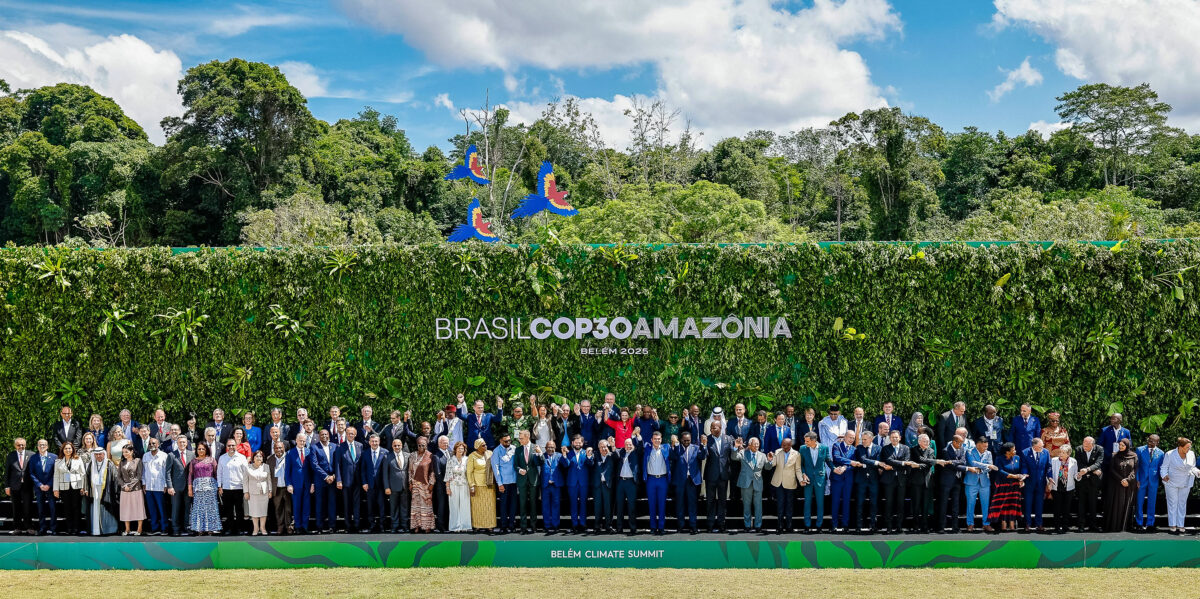
Ten years after the Paris Agreement, we’re no longer debating if the global economy will decarbonise. The question is how fast, who leads, and who gets left behind. A decade is a blink in human history, but it’s been long enough to expose both the power and the limits of voluntary pledges, fragmented carbon markets, and uneven national ambition.

Five priorities for building a more sustainable plastic waste system

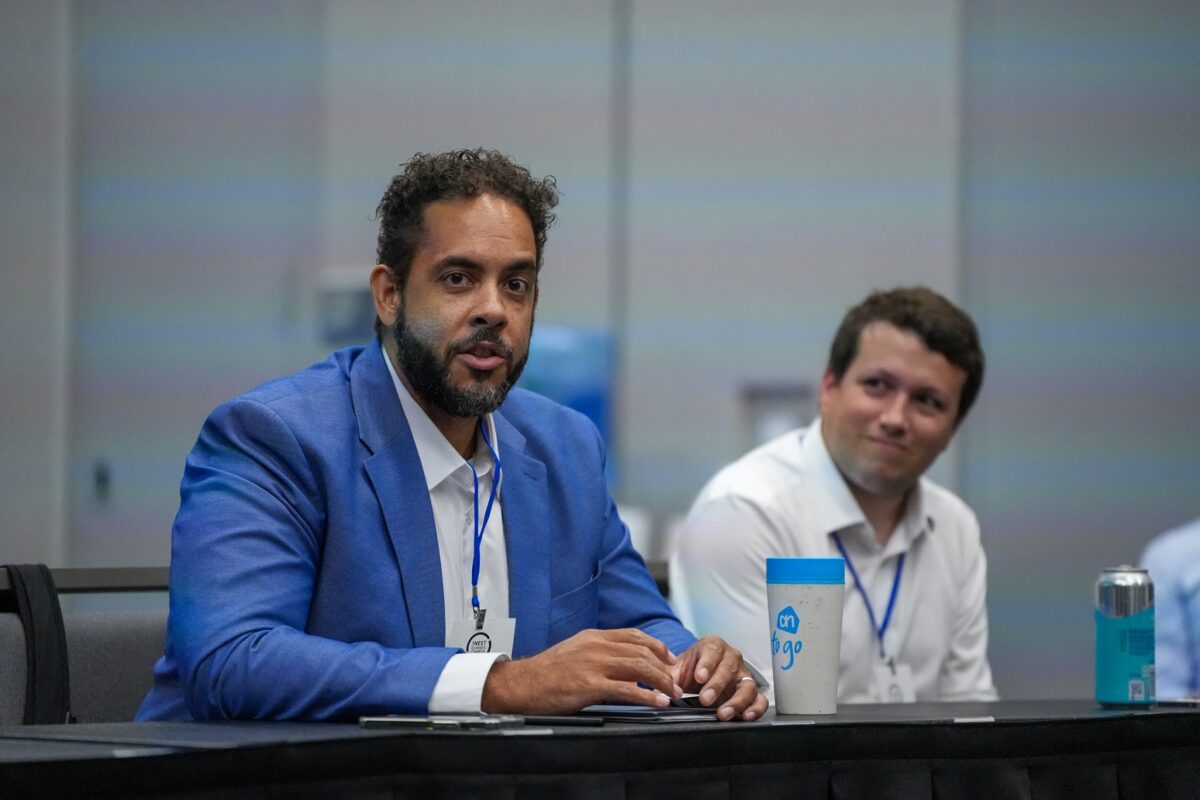
Every year, hundreds of millions of tonnes of plastic end up in landfills and oceans, where they take centuries to break down, threatening wildlife and ecosystems. Tackling this global problem demands collaboration, creativity, and commitment across the entire value chain of a variety of sectors. With this in mind, Xynteo met business leaders from the plastic ecosystem at New York Climate Week to discuss how they can rethink our utilisation of plastic.

Global industry leaders unite at Climate Week NYC to accelerate aluminium decarbonisation through cross-sector collaboration

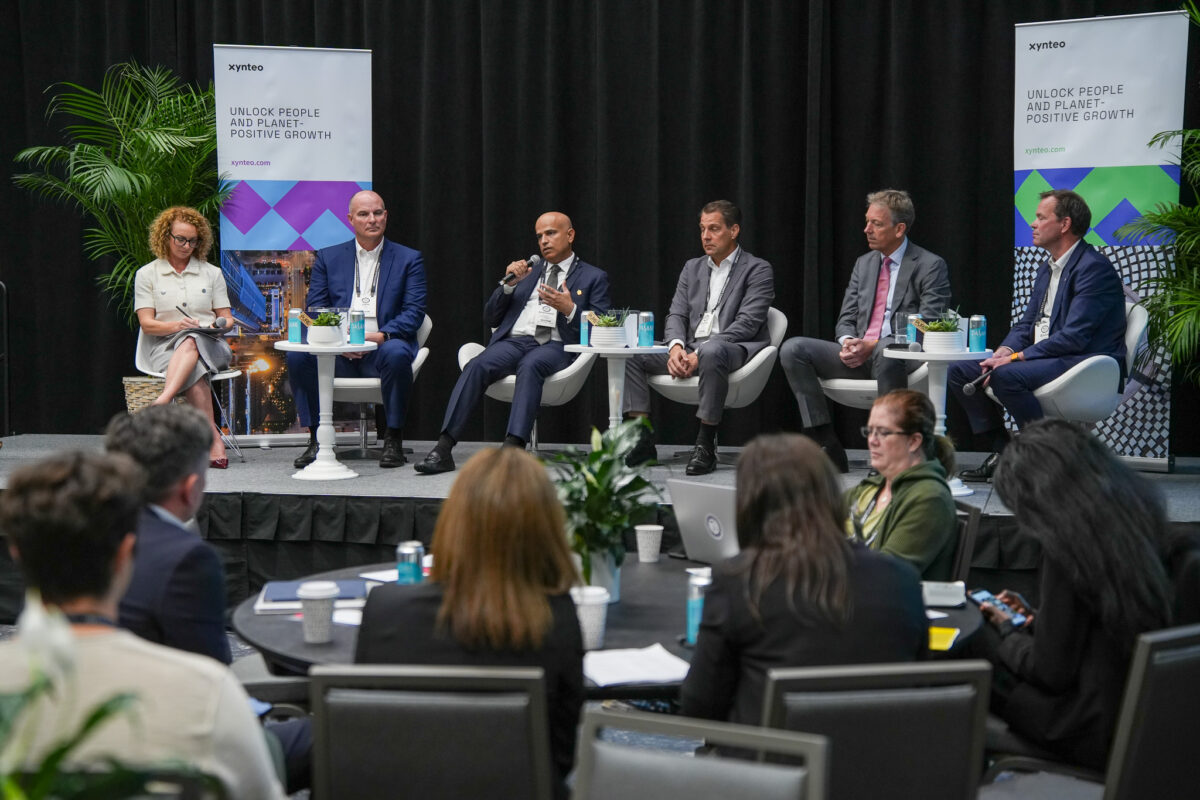
Aluminium, a cornerstone of industries from automotive to construction, stands at a critical juncture. The industry has already achieved a remarkable feat: since 2020, aluminium production has decoupled from emissions growth. In 2022 alone, global production rose by 2.5% while emissions fell by 1.2%. But is this enough to meet our climate goals?

During Climate Week NYC on 24 September 2024, International Aluminium Institute (IAI) and Xynteo hosted a groundbreaking panel to tackle this very question.

Realising a sustainable UK economy will require more than this Budget delivered

Last week, the UK’s Labour government’s first budget demonstrated strong commitment to a greener future. But, in the face of recent projections of the world being on a 3-degree warming trajectory, the budget doesn’t go far enough. While the Chancellor made welcome investments across energy, industry, transport, and hydrogen — a more ambitious approach is essential for the UK to …