PoweringAI, a European data centre development platform, has been launched to bring the development capability, energy expertise, and operator relationships needed to unlock sites that would otherwise remain stranded.
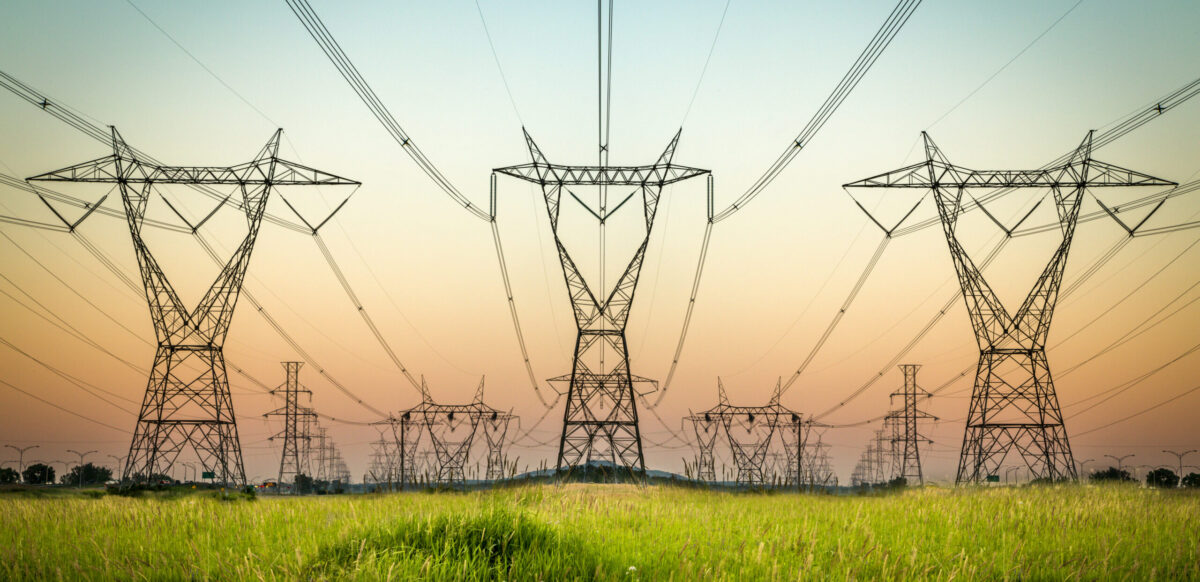
Europe wants to triple its data centre capacity within a decade, yet the electricity grid it depends on is not nearly ready. Across the EU’s core markets, grid connection queues now average seven to ten years, according to the International Energy Agency (IEA), against a typical two-year build cycle. Dublin and Amsterdam have already paused new projects, and Amazon Web Services (AWS) has warned that delays are “challenging our growth aspirations” across the continent.
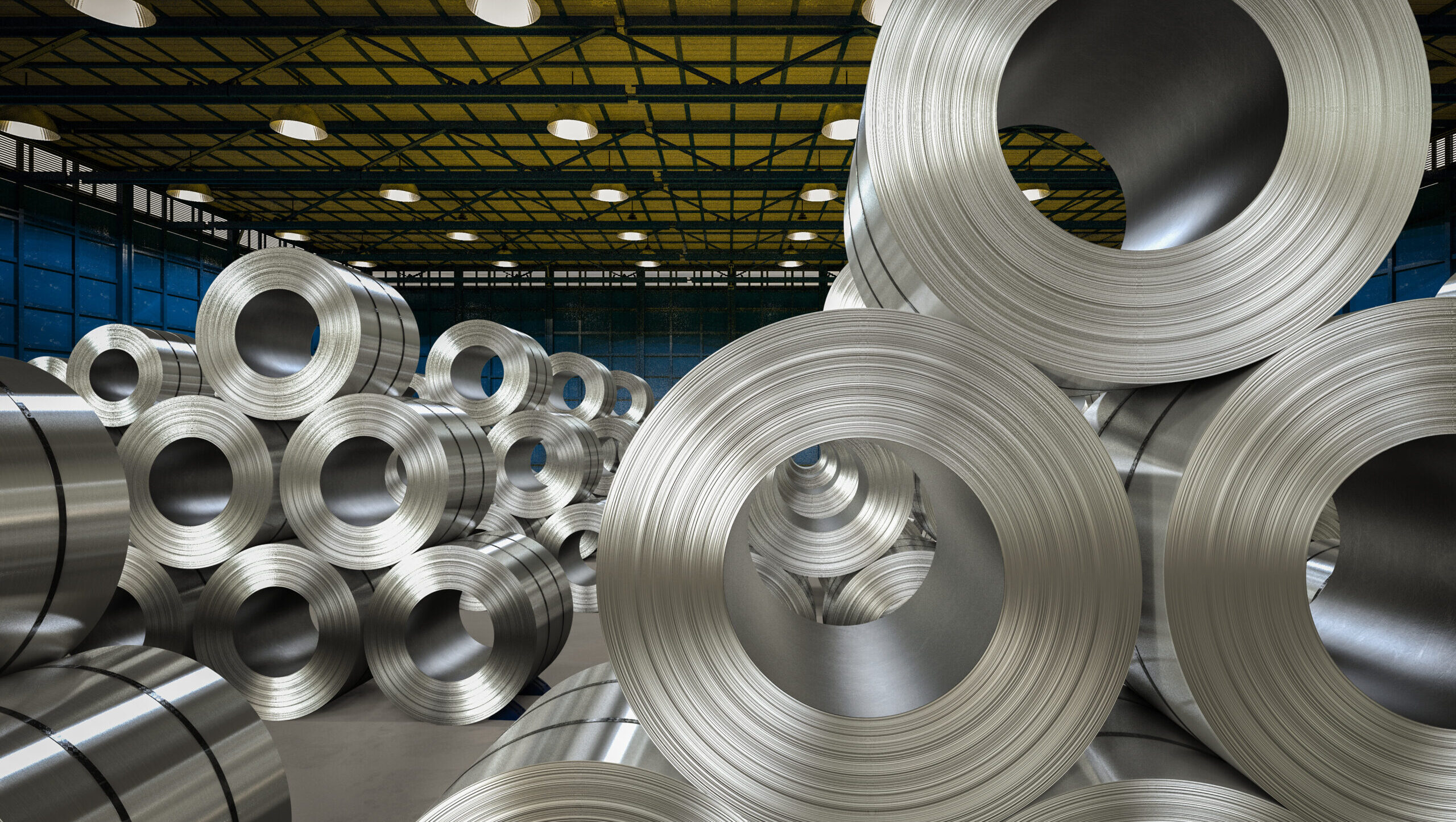
The instinct has been to look forward: build new grid, reform permitting, lobby Brussels. But there is a faster route hiding in plain sight. Across Europe’s post-industrial landscape sit large, powered sites (former manufacturing complexes, energy facilities, heavy industrial estates) already connected to high-voltage infrastructure with contracted capacity. The most expensive, time-consuming element of any data centre development already exists.
There is complexity in developing these industrial sites. Powered industrial land typically comes with fragmented ownership, legacy environmental liabilities, outdated planning designations, and corporate owners whose core business lies elsewhere. The gap between “powered site” and “data centre-ready site” is wide, technical, and commercially dense.
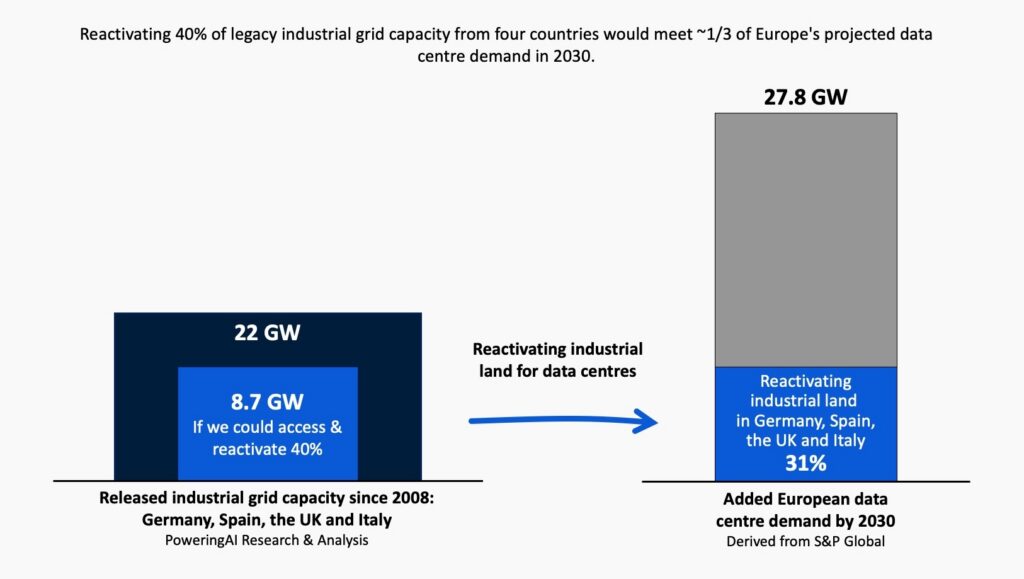
PoweringAI, a European data centre development platform, has been launched to close it. Spun out of Xynteo and backed by Leon Capital, the venture launches with a near-500 MW pipeline of AI-ready development opportunities across Europe. It works as a specialist development partner with industrial landowners, often major corporates whose legacy estates represent significant untapped value, bringing the development capability, energy expertise, and operator relationships needed to unlock sites that would otherwise remain stranded—and in doing so, reactivates underutilised land and creates local employment in the communities that powered Europe’s industrial past.
In a market where the binding constraint is no longer capital, land, or demand, but time to power, Europe does not need to wait a decade for new grid. It needs to unlock the grid it already has.
For more information, visit PoweringAI.
For further information, follow us on social media (LinkedIn I Twitter), or Contact Us to find out how we can help your leaders and organisation create people and planet-positive impact.